
Manifest Filing Knowledge
Manifest Filing Knowledge Company News Industry Updates Bonds FAQ US FMC Bonds Knowledge Insurance Knowledge
-
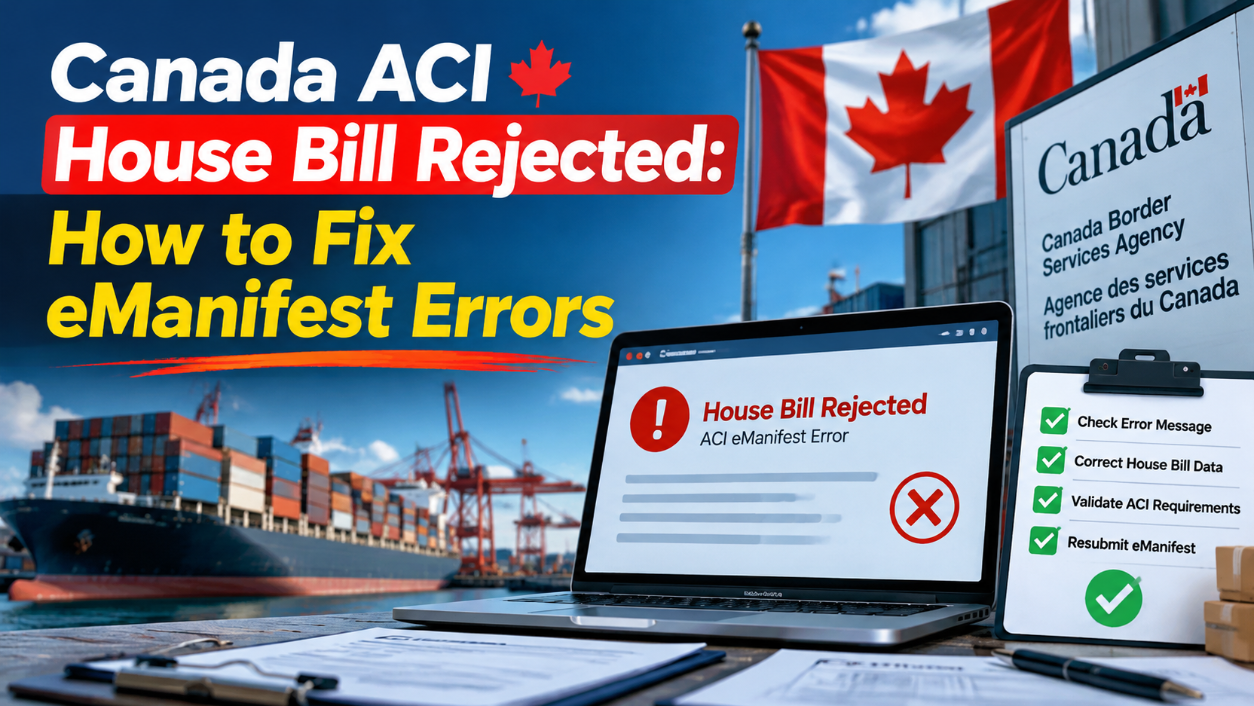 Release time:10.29.2026When a Canadian ACI House Bill is rejected, simply resubmitting the same data may not solve the problem. Freight forwarders should identify the CBSA rejection reason, correct the relevant data, and use the appropriate Change or Amendment procedure. This guide explains common rejection scenarios and practical steps for restoring an accepted eManifest record.
-
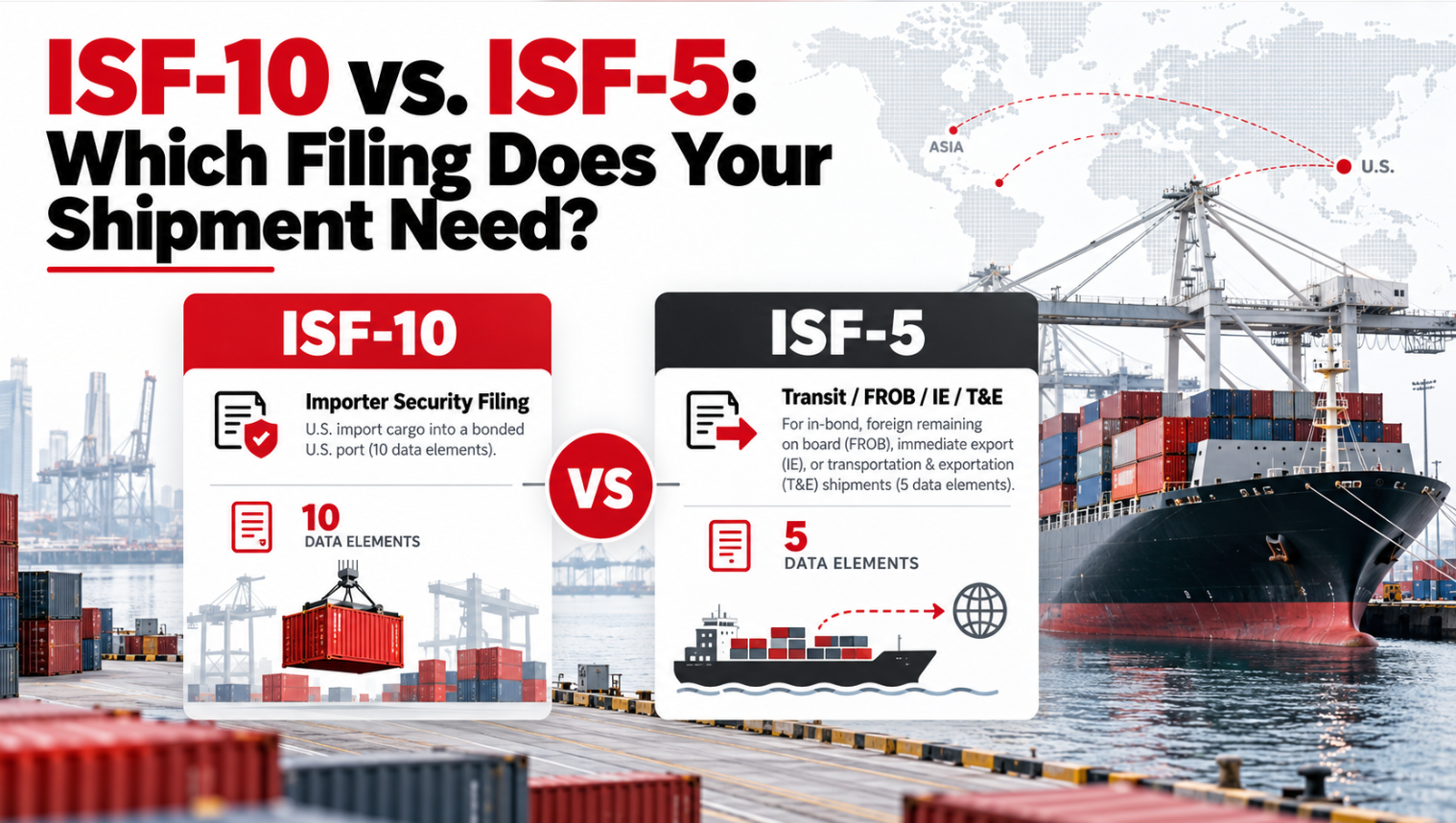 Release time:10.29.2026Not every ocean shipment connected with the United States follows the same Importer Security Filing process. ISF-10 generally applies to cargo imported into the United States, while ISF-5 covers specified transit and in-bond movements. This guide explains the differences, required data elements, filing deadlines and common mistakes foreign freight forwarders should avoid.
-
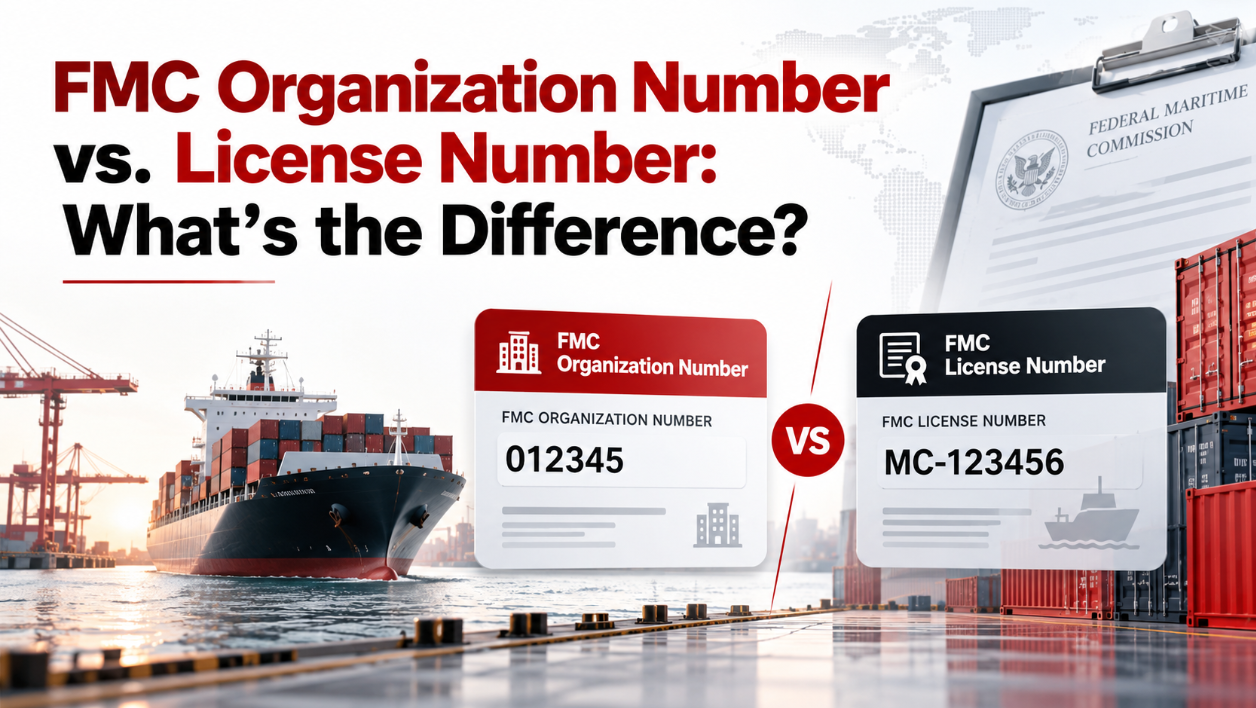 Release time:10.29.2026Freight forwarders sometimes see both an organization number and a license number on the FMC OTI List and assume they are interchangeable. They are not. This guide explains how the numbers relate to FMC registration and licensing, which identifier foreign registered NVOCCs should use, and how to avoid errors in shipping documents and renewal records.
-
 Release time:09.07.2026Canada ACI eManifest House Bill filing is especially important for freight forwarders handling consolidated import or in-transit shipments. This guide explains when House Bills are required, why Close Messages matter, how Manifest Forward and status notices support communication, and what freight forwarders should review before choosing a filing service scope.
-
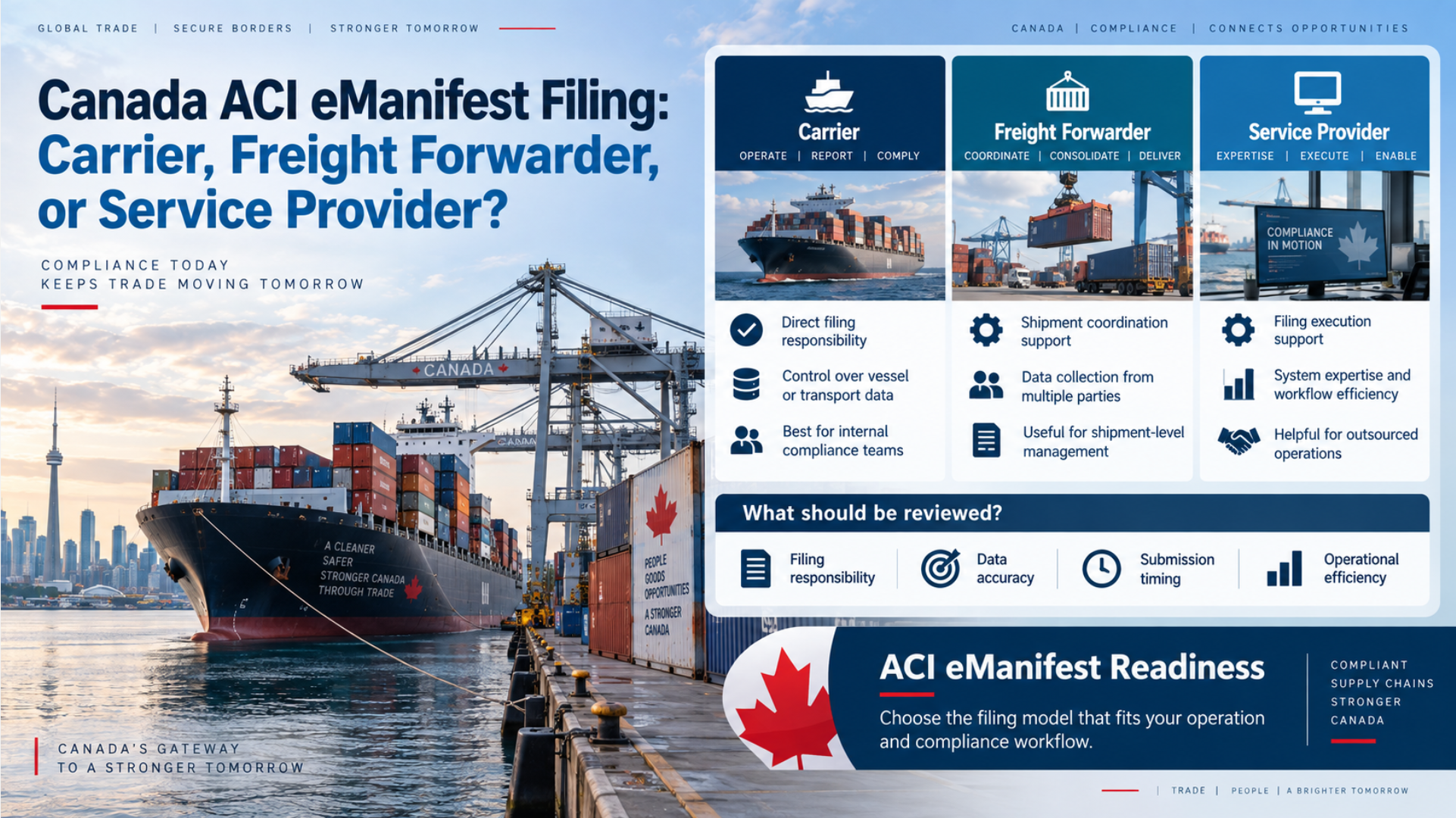 Release time:09.07.2026Canada ACI eManifest filing depends on the company’s role, data ownership, carrier code status, filing volume, system capability, and service model. This guide helps carriers, freight forwarders, and logistics providers decide whether to file through the CBSA eManifest Portal, EDI, or an authorized service provider.
-
 Release time:09.04.2026House BL and Master BL matching is a key part of AMS filing quality for foreign NVOCCs. This guide helps companies decide whether HBL-MBL matching should be included before submission, especially for co-loading, consolidation, multi-HBL shipments, and direct U.S. route operations.
-
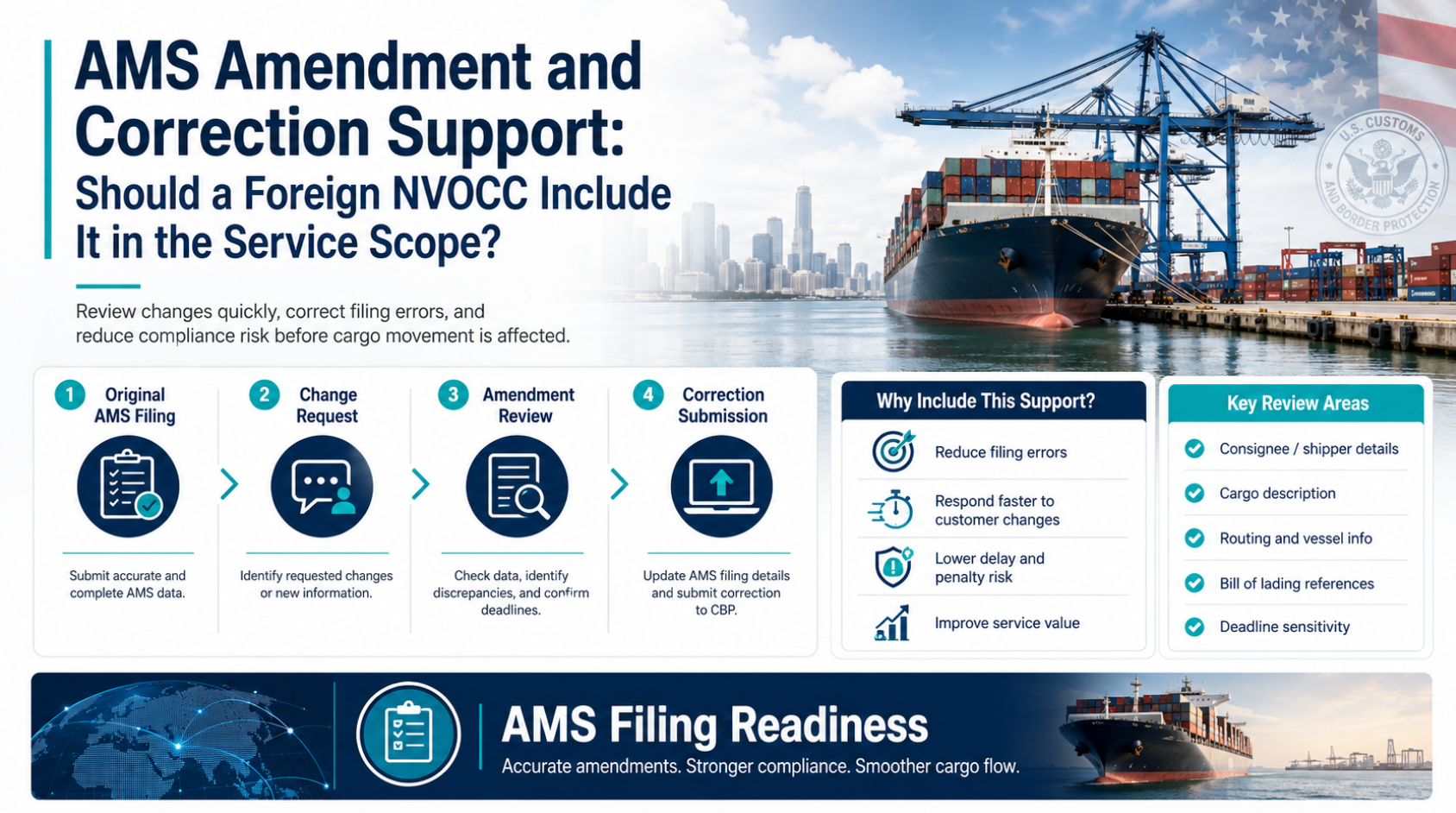 Release time:09.04.2026AMS filing may not end after the first submission. Shipment information can change before loading, during routing, or after initial transmission. This guide helps foreign NVOCCs decide whether AMS amendment and correction support should be included in their U.S. route manifest filing service scope.
-
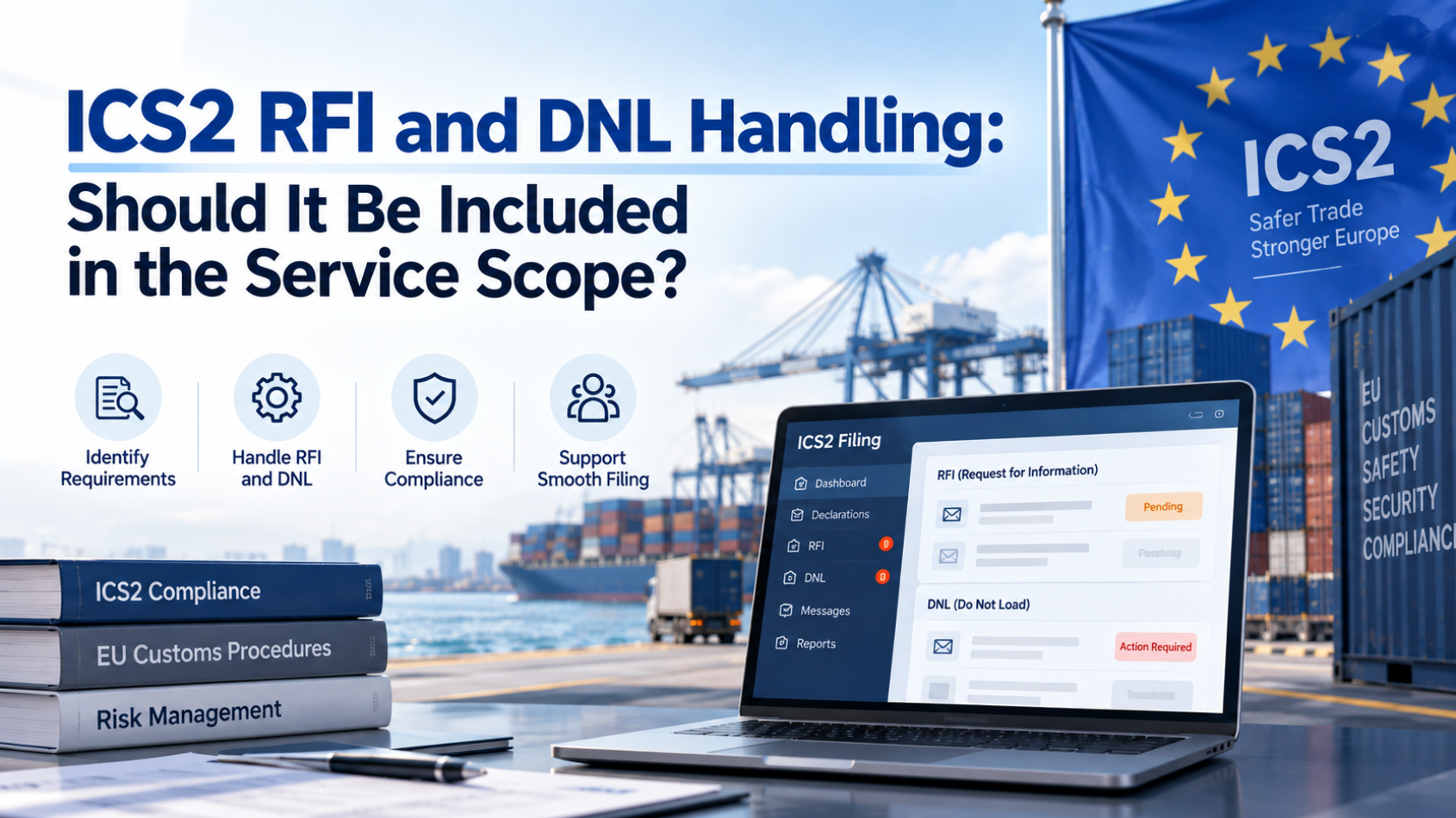 Release time:09.03.2026ICS2 filing does not always end after ENS submission. Customs risk analysis may generate referrals such as requests for additional information, screening, or Do Not Load instructions. This guide helps foreign NVOCCs decide whether RFI, DNL, and exception handling should be included in the service scope.
-
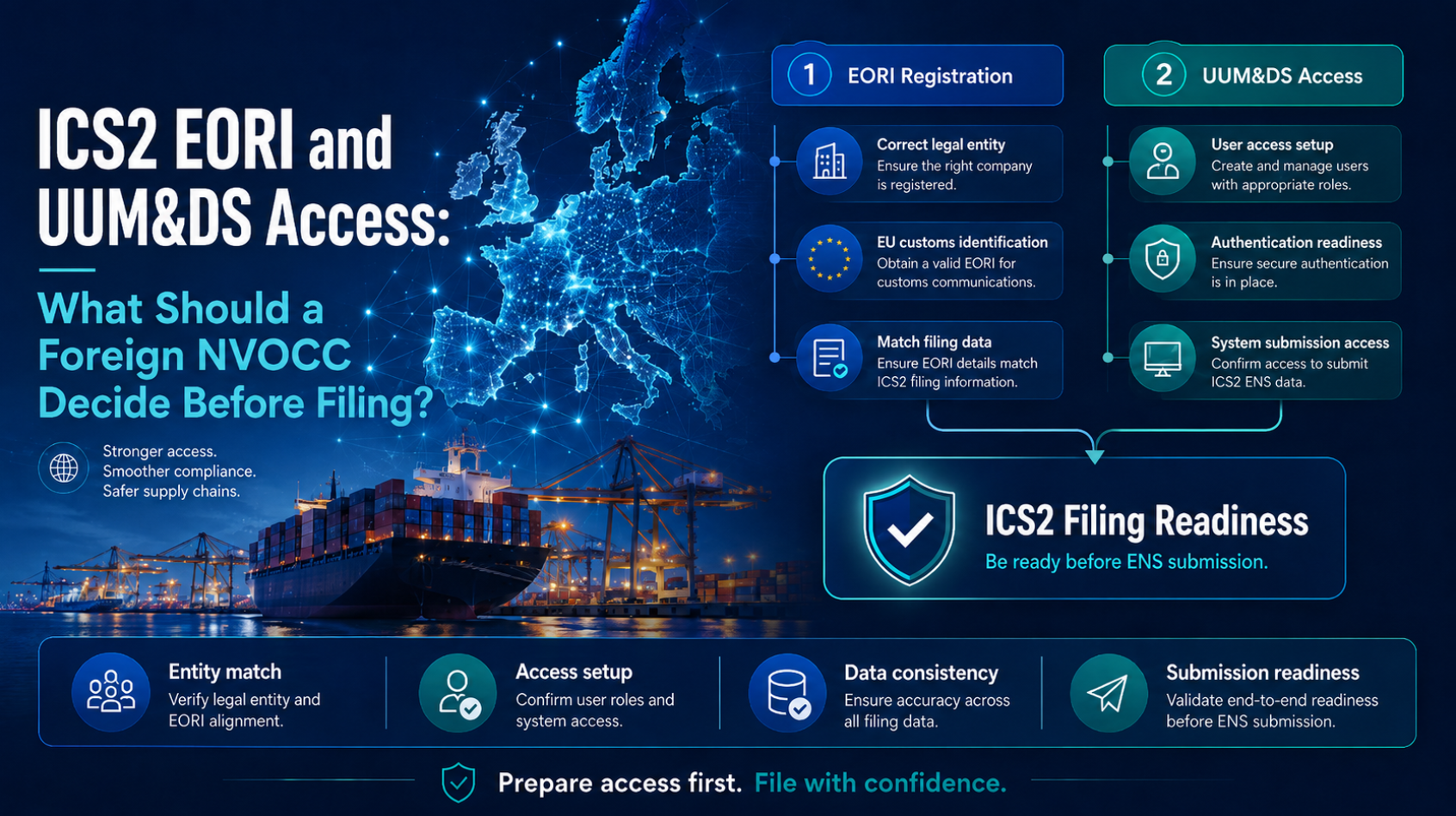 Release time:09.03.2026ICS2 filing is not only about submitting ENS data. Foreign NVOCCs and freight forwarders should understand how EORI, UUM&DS access, Sender role, Declarant role, Shared Trader Portal, and IT Service Provider support affect their filing model and service scope.
-
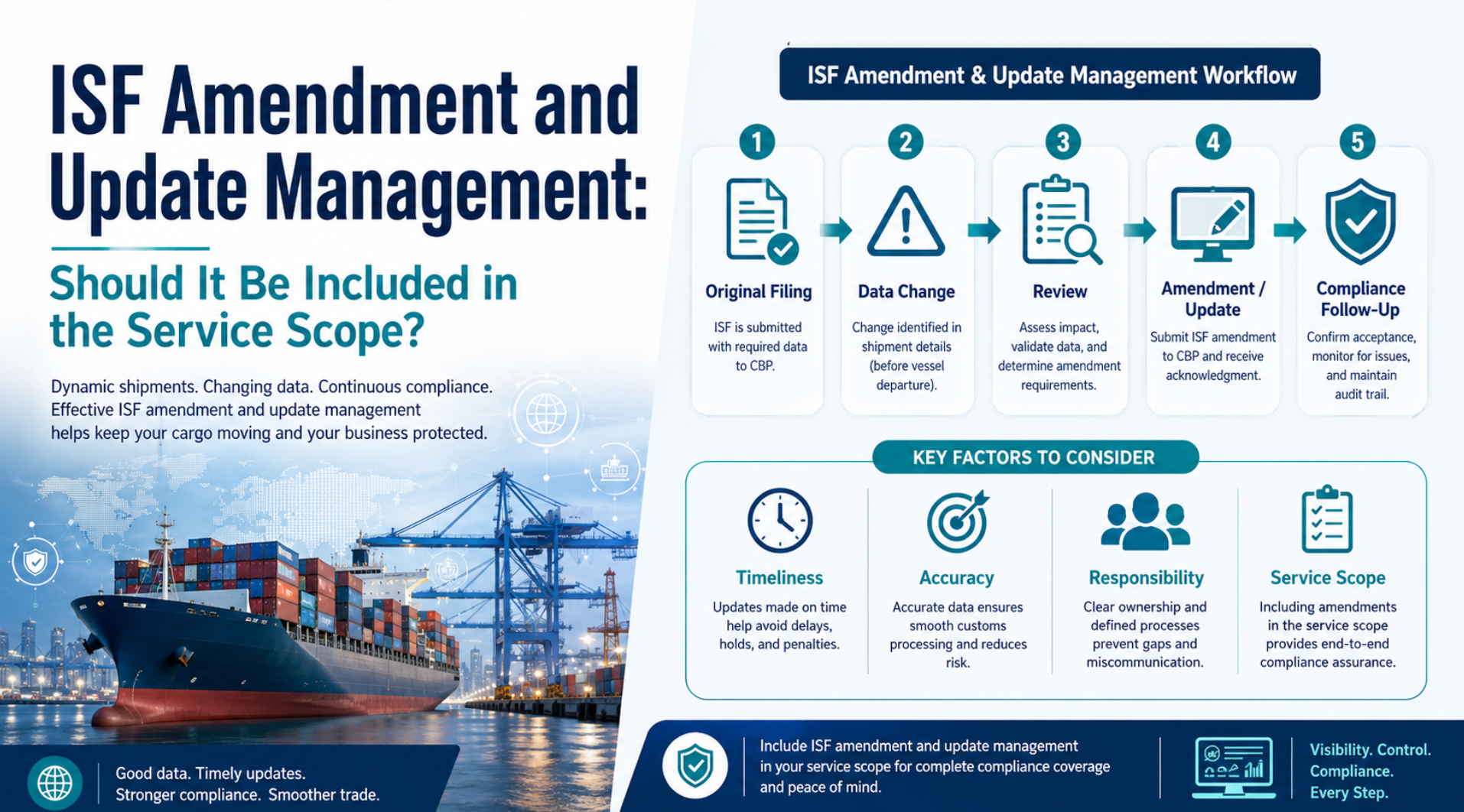 Release time:09.02.2026ISF filing may require bond support depending on who files and which party acts as the ISF Importer or authorized agent. This guide helps importers, customs brokers, NVOCCs, and freight forwarders understand when ISF bond support should be reviewed before filing.


