
Manifest Filing Knowledge
Manifest Filing Knowledge Company News Industry Updates Bonds FAQ US FMC Bonds Knowledge Insurance Knowledge
-
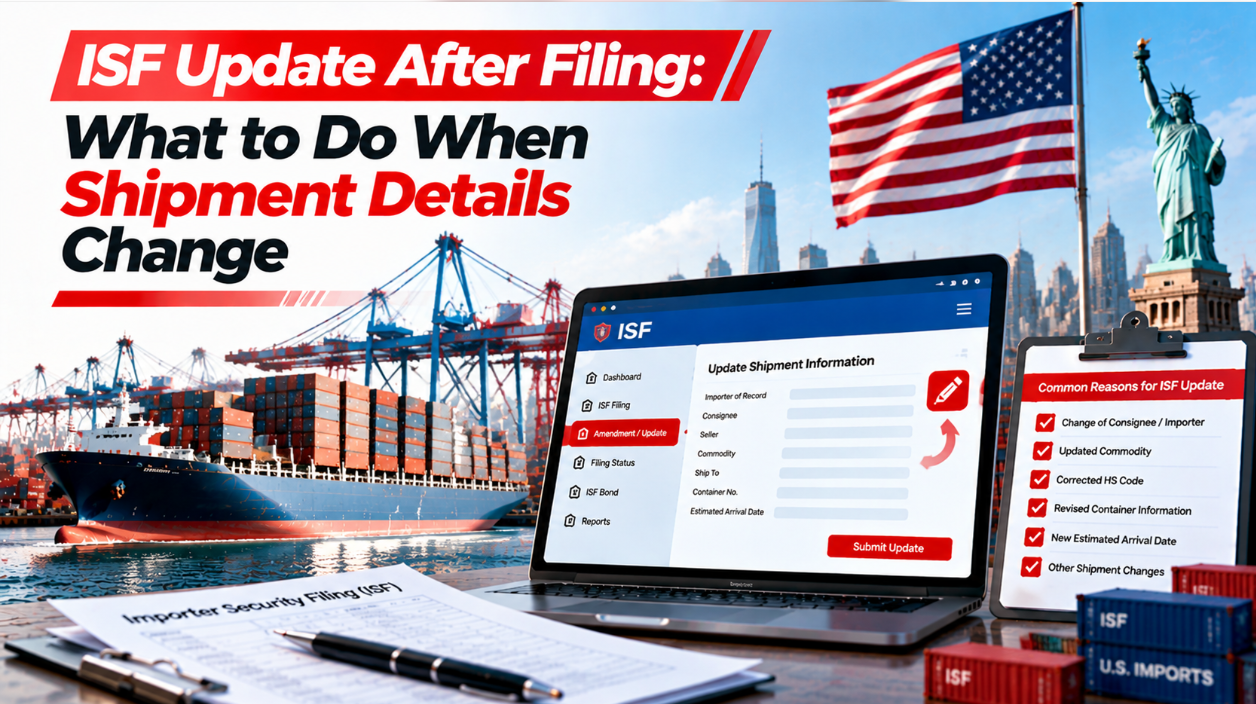 Release time:10.29.2026An ISF filing is not a one-time task that can be ignored after submission. If shipment details change, freight forwarders and importers must determine whether to update the existing filing or withdraw it. This guide explains the rules for bill of lading changes, in-transit sales, shipment cancellations and ongoing ISF compliance.
-
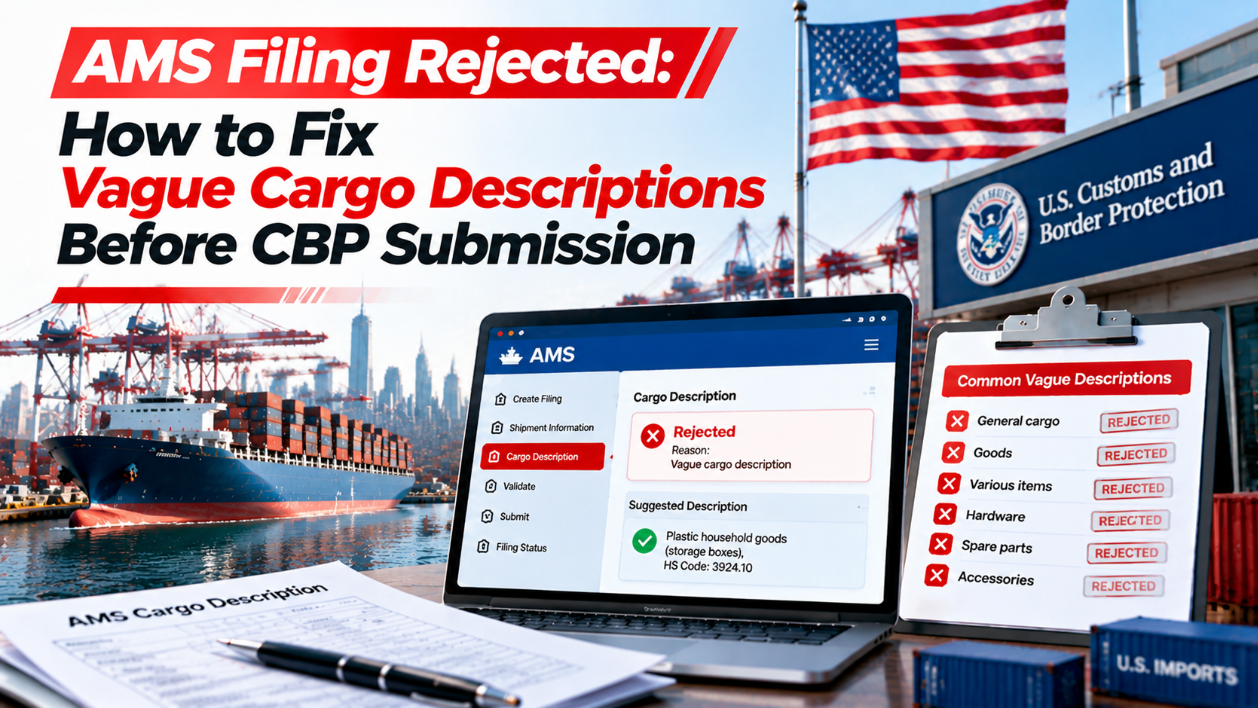 Release time:10.29.2026A U.S. AMS filing may be rejected when its cargo description does not adequately identify the goods. Learn why generic terms such as “General Cargo,” “FAK” and “Parts” can cause problems, how to prepare more precise descriptions, and what freight forwarders should check before submitting a manifest.
-
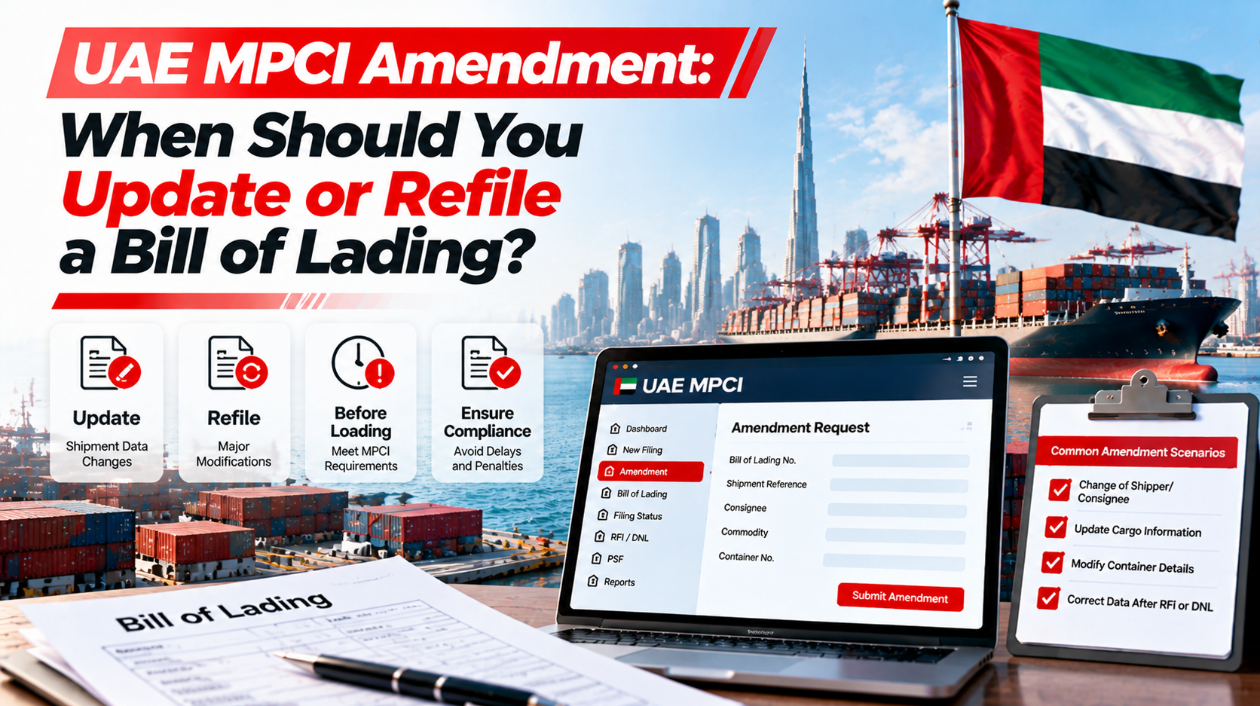 Release time:10.29.2026After an MPCI filing has been submitted, shipping details may change because of vessel delays, rerouting, consignee changes, switch bills or cargo splits. NAIC provides different procedures for updating an existing filing, cancelling a bill of lading and submitting a new one. This guide explains how freight forwarders should handle these changes and avoid duplicate or inconsistent filings.
-
 Release time:10.29.2026Submitting an Entry Summary Declaration (ENS) does not mean the shipment information can never change. However, ICS2 amendments are subject to specific customs rules. Learn how freight forwarders should handle changes to cargo data, transport details and partial ENS filings, and when an ENS may need to be invalidated instead.
-
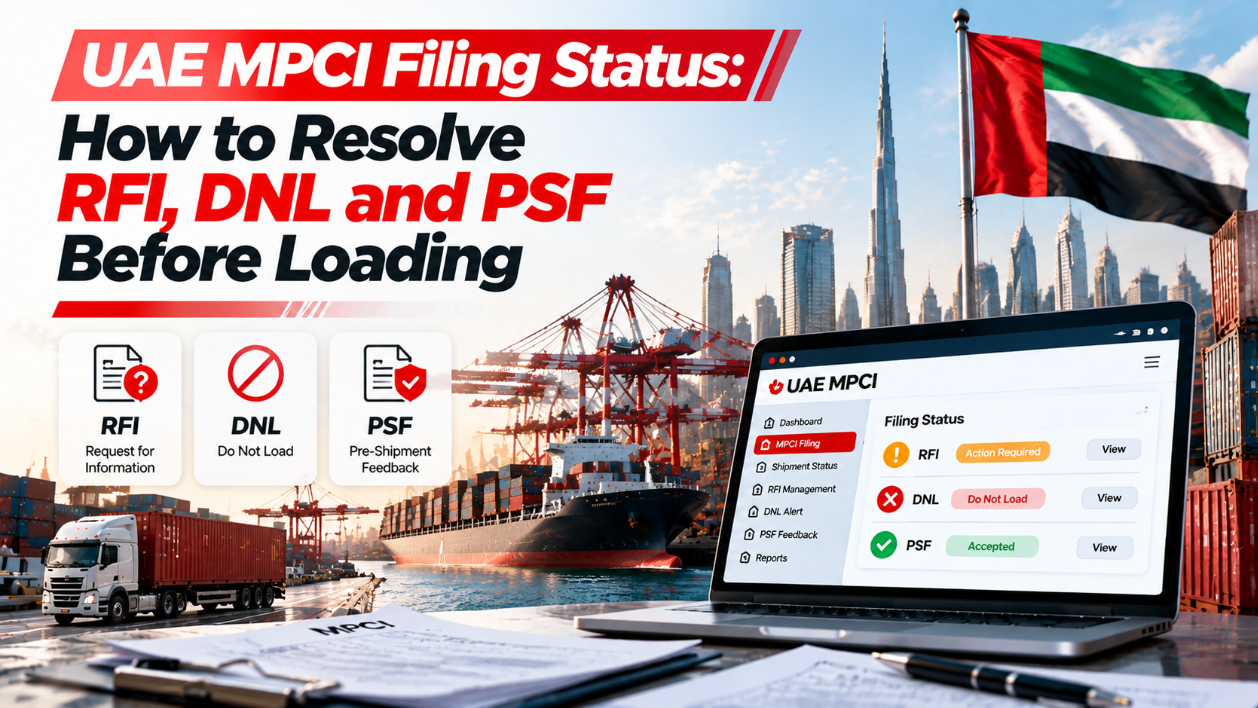 Release time:10.29.2026Submitting UAE MPCI data does not automatically mean cargo is approved for loading. Freight forwarders must understand NAIC assessment responses, respond to requests for information, resolve missing House Bill filings and verify the final status of the Master B/L before shipment.
-
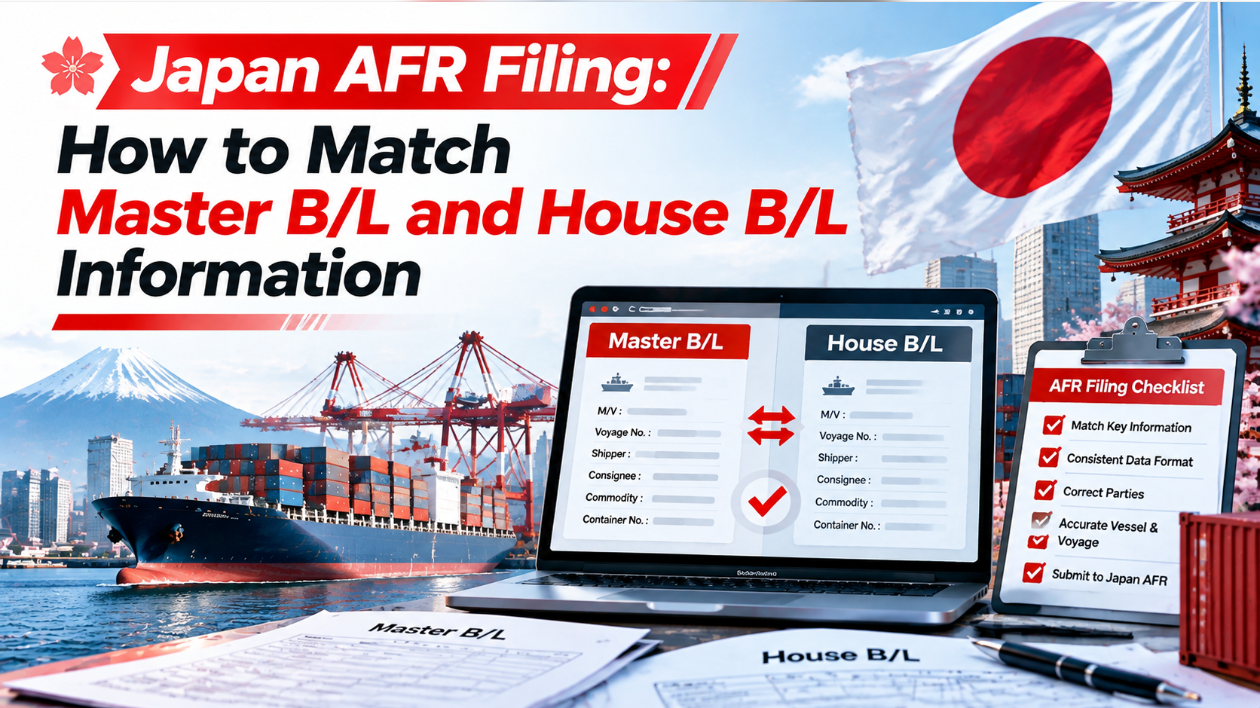 Release time:10.29.2026Japan's Advance Filing Rules require shipping companies and NVOCCs to submit maritime container cargo information electronically before departure. Understanding the separate Master B/L and House B/L filing responsibilities is essential for avoiding mismatched records, customs notices and shipment delays.
-
 Release time:10.29.2026Freight forwarders preparing to file Canadian electronic manifests need more than shipment data. They must establish the appropriate CBSA account, obtain the required identifiers, assign account permissions and prepare a reliable filing workflow. This guide explains the setup process and common mistakes to avoid.


