
US FMC Bonds Knowledge
Manifest Filing Knowledge Company News Industry Updates Bonds FAQ US FMC Bonds Knowledge Insurance Knowledge
-
 Release time:09.10.2026Foreign NVOCCs do not always need to visit the United States to start FMC qualification preparation. This guide explains how overseas freight forwarders can use remote service support for route diagnosis, company information review, FMC registration or license planning, NVOCC bond handling, tariff setup, and U.S. route compliance preparation.
-
 Release time:09.09.2026When an FMC penalty issue, inquiry, or compliance notice appears, an NVOCC should respond with organized records and a clear corrective action plan. This guide explains what documents to prepare, what issues to review, and when professional support or legal counsel may be needed.
-
 Release time:09.09.2026Foreign NVOCCs entering U.S. ocean trade should not treat FMC qualification as a simple certificate. Missing registration, inactive bond records, tariff issues, outdated company information, or unclear HBL identity may create penalty exposure and business disruption. This guide explains how to review penalty risk before operations begin.
-
 Release time:08.21.2026AMS filing accuracy depends on the quality of shipment data before submission. This guide helps foreign NVOCCs decide whether to include AMS data validation, pre-filing review, cargo description checks, HBL consistency review, and correction support in their U.S. route service scope.
-
 Release time:08.21.2026Foreign NVOCCs choosing an AMS filing workflow should not only compare filing prices. They should decide whether online entry, Excel batch import, or API integration best fits their shipment volume, staff capability, data structure, customer needs, and long-term U.S. route strategy.
-
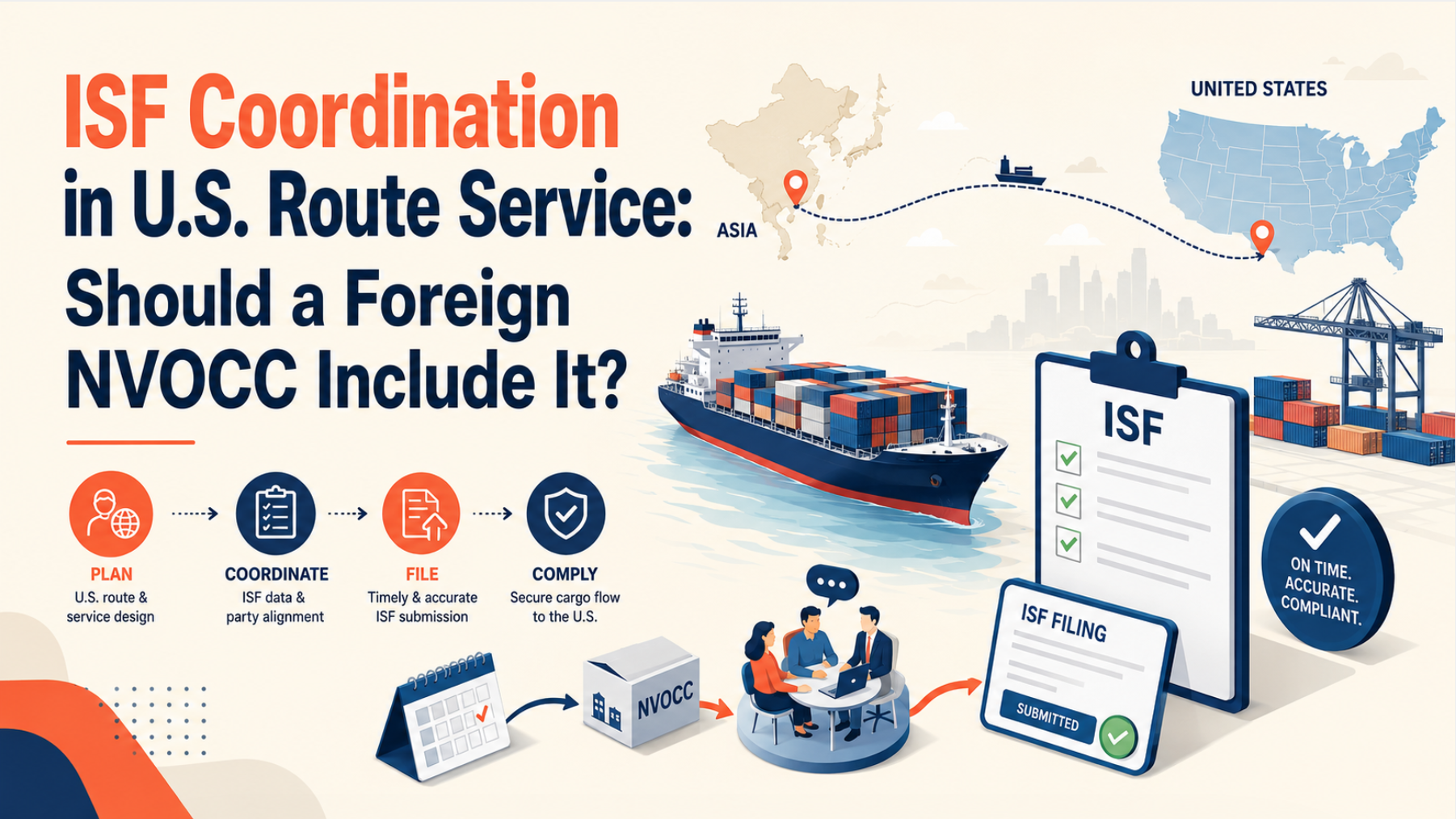 Release time:08.20.2026ISF is not the same as AMS or FMC qualification, but foreign NVOCCs serving U.S. routes often need to coordinate shipment data with importers, customs brokers, and filing providers. This guide helps NVOCCs decide whether ISF coordination should be included in their U.S. route service scope.
-
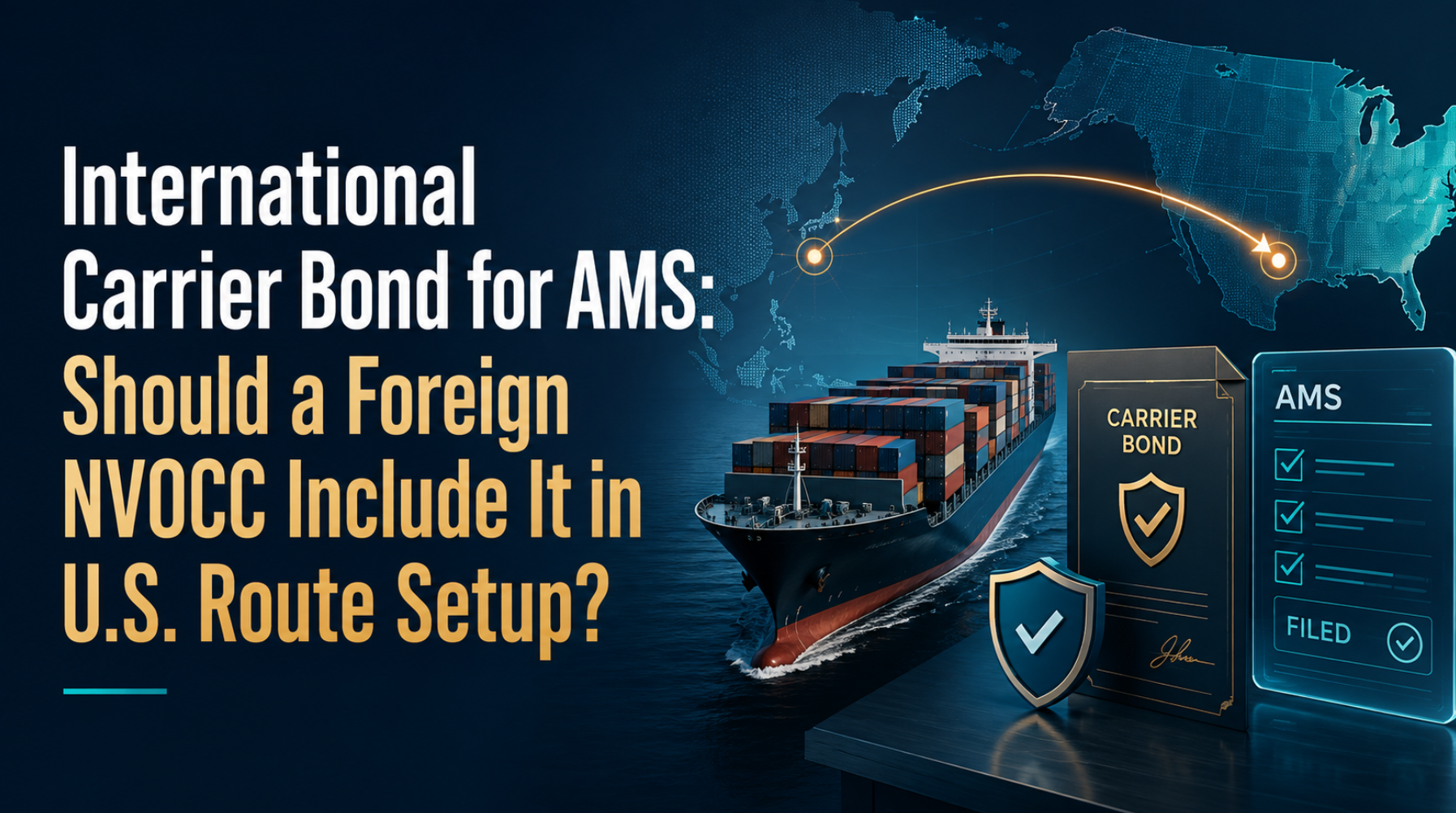 Release time:08.20.2026A foreign NVOCC that wants direct AMS filing capability may need more than FMC qualification and SCAC. This guide explains when an International Carrier Bond should be reviewed, when third-party filing may be enough, and how NVOCCs should decide whether to include this step in their U.S. route service scope.
-
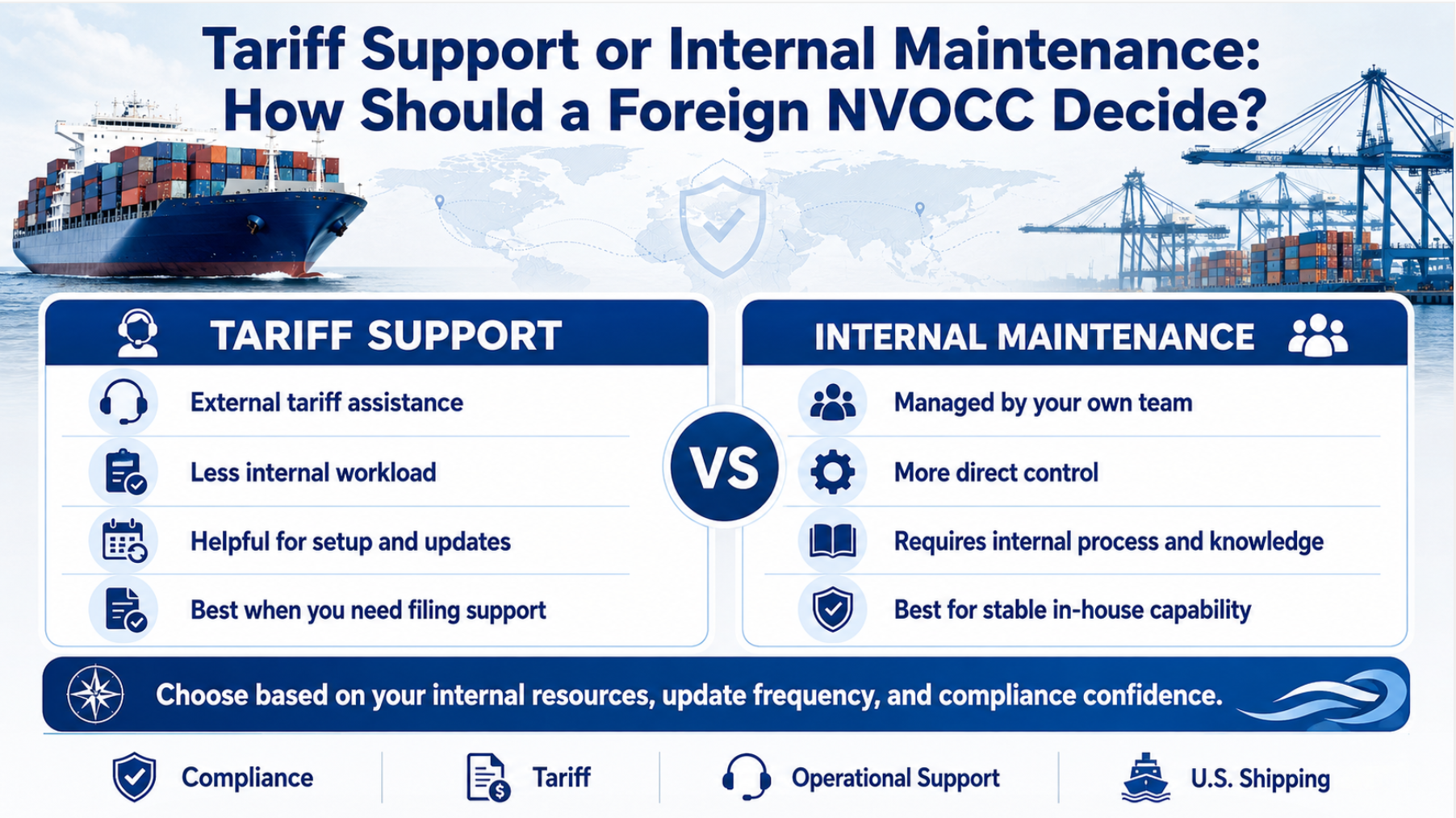 Release time:08.18.2026Tariff setup is not only an initial filing step. Foreign NVOCCs should decide whether to manage tariff records internally or use ongoing tariff support based on route complexity, rate changes, trade names, internal staff, and U.S. route growth plans.
-
 Release time:08.18.2026Foreign NVOCCs often focus on FMC filing, bond handling, and tariff setup, but the house bill of lading may become the document that customers and carriers review most closely. This service decision guide helps companies decide whether HBL template review should be included before U.S. route operations begin.
-
 Release time:08.17.2026NVOCCs serving U.S.-China trade may hear about an optional rider for additional NVOCC financial responsibility. This service decision guide explains when the rider may be relevant, when it may not be needed, and what companies should confirm before adding it to an FMC bond.


